Small Bathroom Ideas: Space-Saving Secrets
Introduction: Making the most of limited space
Small bathrooms demand intentional design that prioritizes function without compromising style. By focusing on layout, light, storage, and durable fixtures, you can transform a tight space into a serene, efficient retreat. This guide shares practical small bathroom ideas rooted in proven design principles, helping you elevate usability and aesthetics in any home.
As a rule of thumb, plan around three core goals: maximize perceived space with light and reflective surfaces, increase storage without crowding surfaces, and select fixtures that fit the footprint without sacrificing comfort. The result is a bathroom that feels bigger, works better, and ages well with your needs.
Smart layouts for small bathrooms
Layout is the foundation of small bathroom ideas. Small changes to the arrangement can dramatically improve traffic flow and usability.
1) Shower-tub combo vs. walk-in shower
A shower-tub combo is space-efficient, affordable, and familiar to many homeowners. It’s ideal for multi-use bathrooms and households with children. If daily quick showers are the priority, a dedicated shower or walk-in enclosure can free up floor space and reduce water splashes, especially in tight layouts.
2) Walk-in showers with frameless glass
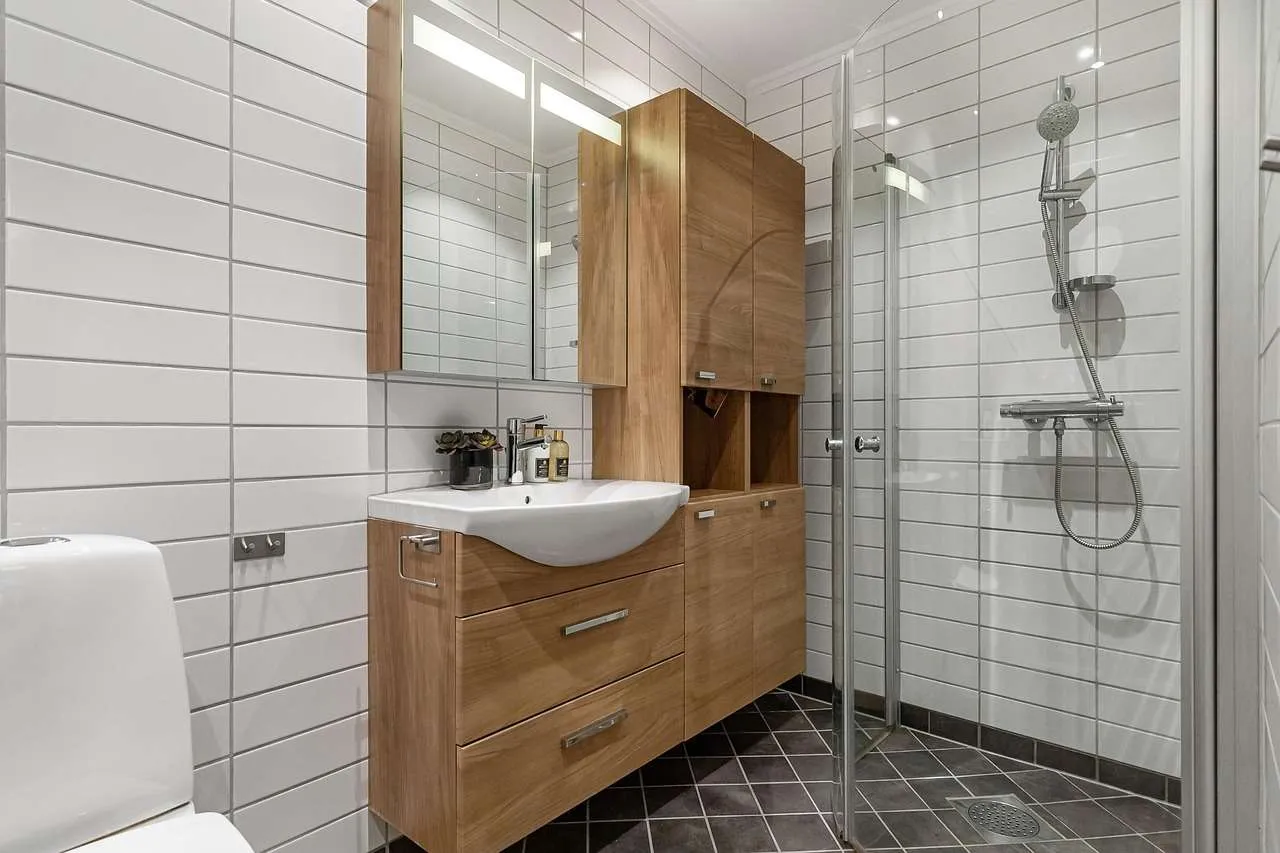
Glass panels create an uninterrupted line of sight that visually expands the room. A recessed shower niche keeps bottles off the floor, while a rainfall or handheld showerhead adds comfort without clutter. In very small baths, consider a corner or quadrant shower to maximize every inch.
3) Pocket doors and open plans
Replacing a standard door with a pocket door or a curtain can reclaim several square inches of usable space and improve traffic flow. For even more openness, choose a frameless glass shower door and keep the vanity surface clear of excess items.
Color, lighting, and texture for perceived space
Color and light interact to create a sense of airiness and depth. The right palette, lighting layers, and textures make a small bathroom feel larger and more inviting.
Color palettes
Light neutrals such as soft whites, warm beiges, and pale grays reflect more light and pair well with natural wood or cool chrome accents. To avoid a sterile look, add personality with accent towels, artwork, or a bold tile trim, but keep the dominant color light to preserve spaciousness.
Lighting layers
Combine ambient, task, and accent lighting. Recessed ceiling lights or a slim LED strip under a vanity provide general illumination, while mirror lighting eliminates shadows at face height. A dimmer switch lets you adjust mood and perceived space.
Texture and surfaces
Glossy tiles and polished stone reflect light, while matte finishes reduce glare. Incorporate texture with a tiling pattern, wooden vanity fronts, or woven baskets that add tactility without crowding surfaces.
Storage solutions that free up space
In small bathrooms, storage must be smart, hidden, and accessible. Every inch counts, so think vertically and recess into walls where possible.
Vertical storage and wall-mounted options
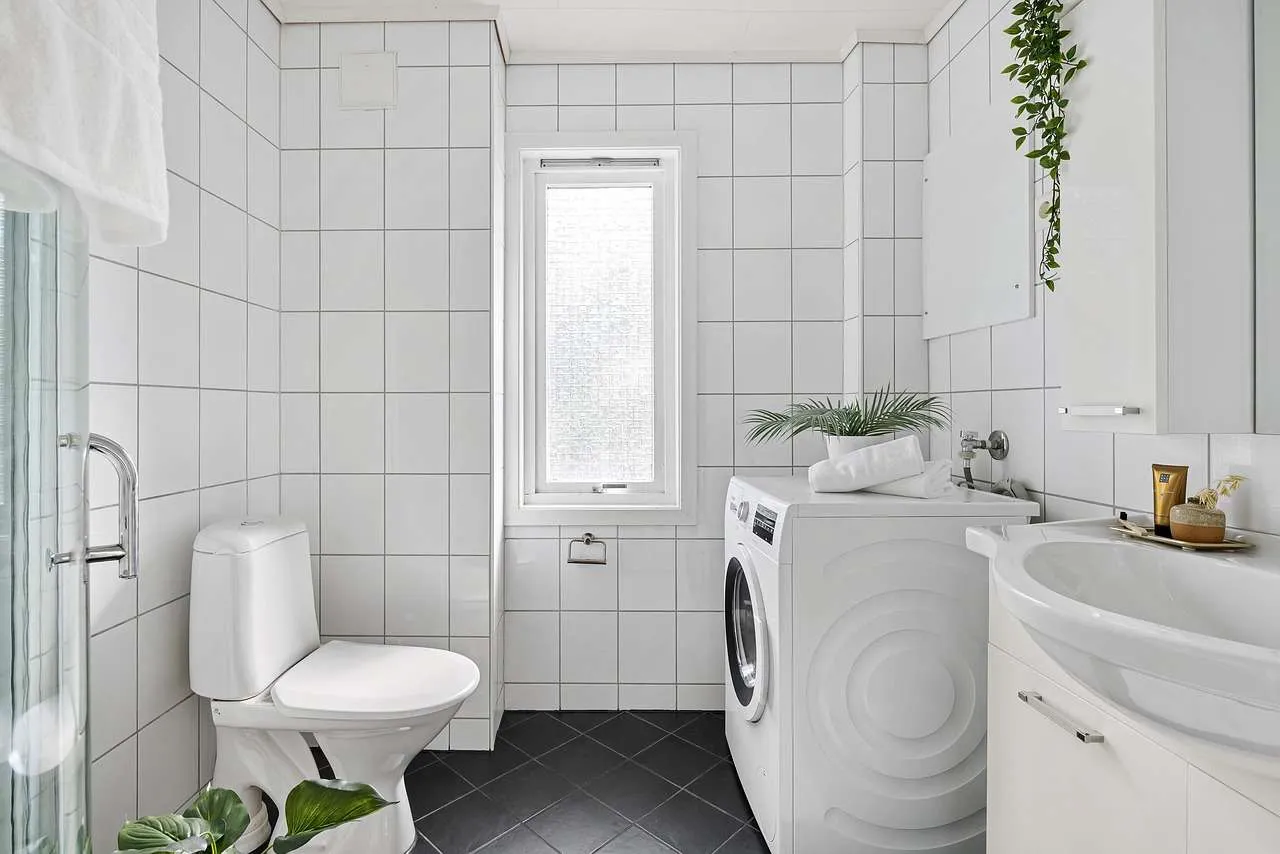
Floating vanities create the illusion of space beneath and enable easier cleaning. Wall-mounted cabinets above the sink or toilet store essentials without consuming floor area. Consider tall, slim linen towers or recessed shelves in the shower for towels and toiletries.
Recessed and niche storage
Shower niches, vanity drawers with dividers, and medicine cabinets keep small bathrooms tidy. Built-in niches reduce the need for bulky caddies, while pull-out organizers maximize drawer space for cosmetics and grooming tools.
Fixtures and accessories: choosing compact, efficient options
Fixtures tailored to small spaces prioritize compact footprints, easy access, and low maintenance. The right combination of vanity, toilet, and shower can dramatically impact usability.
Compact vanities
Choose a shallow vanity with a single basin and integrated storage. A wall-mounted vanity visually lightens the room and makes cleaning beneath it simpler. If storage is tight, pair a small vanity with a tall cabinet for vertical storage.
Wall-mounted toilets and slim profiles
Wall-mounted toilets save floor space and create a cleaner line along the wall. When space is extremely limited, a compact, low-profile toilet can be a practical alternative that preserves legroom and comfort.
Materials, moisture resistance, and maintenance
Durable, moisture-resistant materials extend the life of a small bathroom and simplify upkeep. Prioritize high-quality porcelain, sealed stone, and moisture-rated MDF or PVC for cabinetry. Choose tiles with anti-slip surfaces in wet areas and ensure proper ventilation to avoid mold and mildew.
Finishes and durability
Opt for non-porous surfaces that resist water stains. Matte or satin finishes hide fingerprints, while glossy surfaces reflect more light. Seal grout lines to prevent staining and use caulk that tolerates bathroom humidity.
Budgeting and planning for small bathroom ideas
Small bathroom ideas often deliver the biggest return on investment when planned with a realistic budget. Start with high-impact changes: lighting, mirrors, and storage upgrades. Prioritize fixtures that fit your space and lifestyle. A phased approach—upgrading lighting now and cabinetry later—can spread costs while delivering noticeable improvements.
When selecting materials, compare long-term durability and maintenance costs. While premium tiles or solid-surface countertops may have higher upfront costs, their longevity and ease of cleaning often reduce life-cycle expenses.
Comparison: layout options at a glance
| Layout option | Pros | Cons | Best space |
|---|---|---|---|
| Shower-tub combo | Affordable, versatile | Covers tub area; less open feel | Under 60 sq ft |
| Walk-in shower with glass | Expands perceived space; easy cleaning | Higher upfront cost; requires plumbing movement | 5x7 ft or smaller |
| Pocket door | Improved traffic flow | Installation complexity and cost | Any tight doorway |
| Corner shower stall | Efficient corner use | Limited shower size | 4x4 ft or smaller |
Conclusion and next steps
With thoughtful layout, bright palettes, and smart storage, small bathroom ideas can deliver a space that feels larger, functions better, and remains stylish. Start by mapping traffic flow, selecting compact fixtures, and layering light to erase shadows. Invest in durable materials and vertical storage to maintain a clean, organized look. By prioritizing the essentials and embracing minimalism, you’ll create a bathroom that works hard and feels welcoming.
Conclusion, these strategies empower you to achieve a balanced, durable, and aesthetically pleasing small bathroom that remains comfortable for daily use and adaptable to changing needs over time.