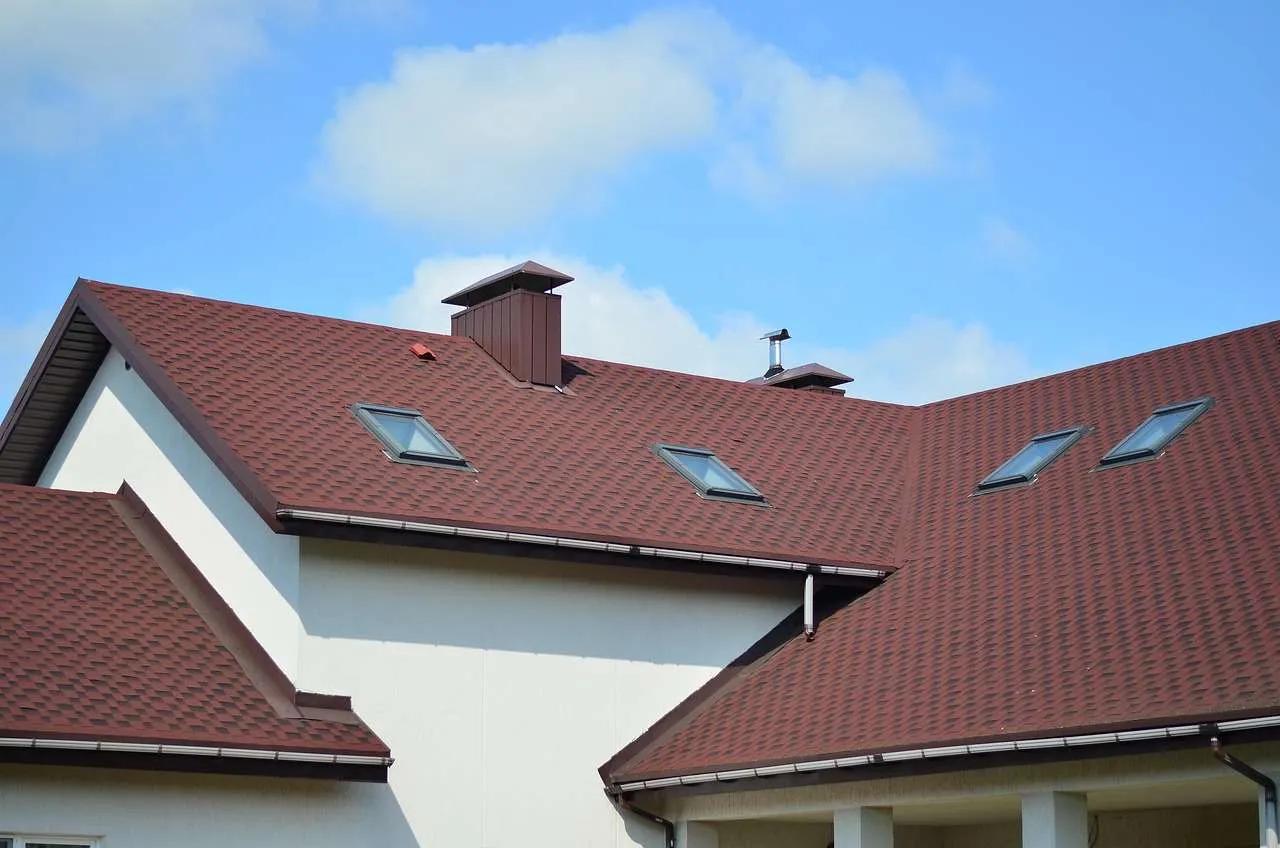
TPO Roofing: A Practical Guide for Homeowners

TPO roofing has emerged as a leading option for flat and low slope roofs due to energy efficiency, durability, and cost effectiveness. This guide explains what tpo roofing is, why it matters for homeowners, and how to choose the right system and contractor.
What is tpo roofing
tpo roofing stands for thermoplastic olefin, a single ply membrane that is heat welded at seams to create a watertight layer. Most membranes are white or light colored to reflect sunlight, which helps reduce cooling costs in hot climates. The material is known for its flexibility, resistance to ponding water, and compatibility with various substrates. When installed by a skilled crew, tpo forms a seamless surface that can last many years.
Benefits of tpo roofing
- Energy efficiency through high reflectivity reduces cooling load
- Durability and reliable seam performance with heat welding
- Lightweight and flexible, suitable for retrofits and existing structures
- Faster installation compared with some other membranes
- Cost effectiveness over the life of the roof
- Recyclable and environmentally friendly option
Applications and installation considerations
tpo membranes are most common on flat and low slope roofs in both commercial and residential settings. For homes, a properly prepared substrate, clean edges, and professional seam welding are essential. The roof should be designed for low-slope conditions with appropriate drainage. Always hire a licensed contractor who provides a written warranty, uses materials from reputable manufacturers, and follows current installation standards.
Longevity and maintenance
Typical service life for a good quality tpo roof ranges from 15 to 20 years, with some installations reaching beyond 20 years when properly maintained. Routine maintenance includes keeping the surface clear of debris, inspecting seams after major weather events, and addressing any punctures or damage promptly. Cleaning should use mild detergents and avoid abrasive tools to protect reflective surfaces.
Table: comparison with other roofing materials
| Roofing Type | Material | Durability | Energy Efficiency | Typical Cost | Best Use |
|---|---|---|---|---|---|
| TPO | Singleply membrane | 15-20 years | High | $5-$8 per sq ft | Flat to low slope roofs |
| EPDM | Elastomeric rubber | 20-30 years | Moderate | $4-$8 per sq ft | Flat roofs |
| PVC | Polyvinyl chloride | 20-25 years | Very high | $6-$9 per sq ft | Commercial roofs |
| Asphalt Shingles | Bitumen | 15-30 years | Moderate | $3-$8 per sq ft | Slope roofs |
Choosing a contractor and EEAT
Expertise and trust are critical for roof systems. Look for contractors with manufacturer certifications, verifiable local references, and transparent warranties. Ask about installation crew training, site safety, and quality control processes. An experienced team will assess your roof type, climate, and attic ventilation to select the right tpo product and seam method, ensuring long term performance.
Maintenance tips for longevity
- Schedule professional inspections bi annually and after storms
- Keep drainage paths clear and check gutters
- Repair punctures and seam damage promptly to prevent leaks
- Avoid harsh chemical cleaners that can degrade surfaces
Frequently asked questions
Is tpo roofing suitable for residential homes
Yes, particularly on flat or low slope residential roofs and extensions. It is less common on steeply pitched roofs but can be used in some retrofit projects.
What affects tpo roof warranties
Warranties depend on membrane quality, installation workmanship, climate exposure, and adherence to manufacturer installation guidelines. Proper maintenance helps preserve warranty terms.
How long does a tpo roof last
With proper maintenance, a tpo roof typically lasts 15 to 20 years, and some systems may exceed 20 years under favorable conditions.
Conclusion, tpo roofing offers energy efficiency, reliable performance, and value when properly installed and maintained, making it a smart choice for flat and low slope roofs.