Window Tint for Home: Expert Guide
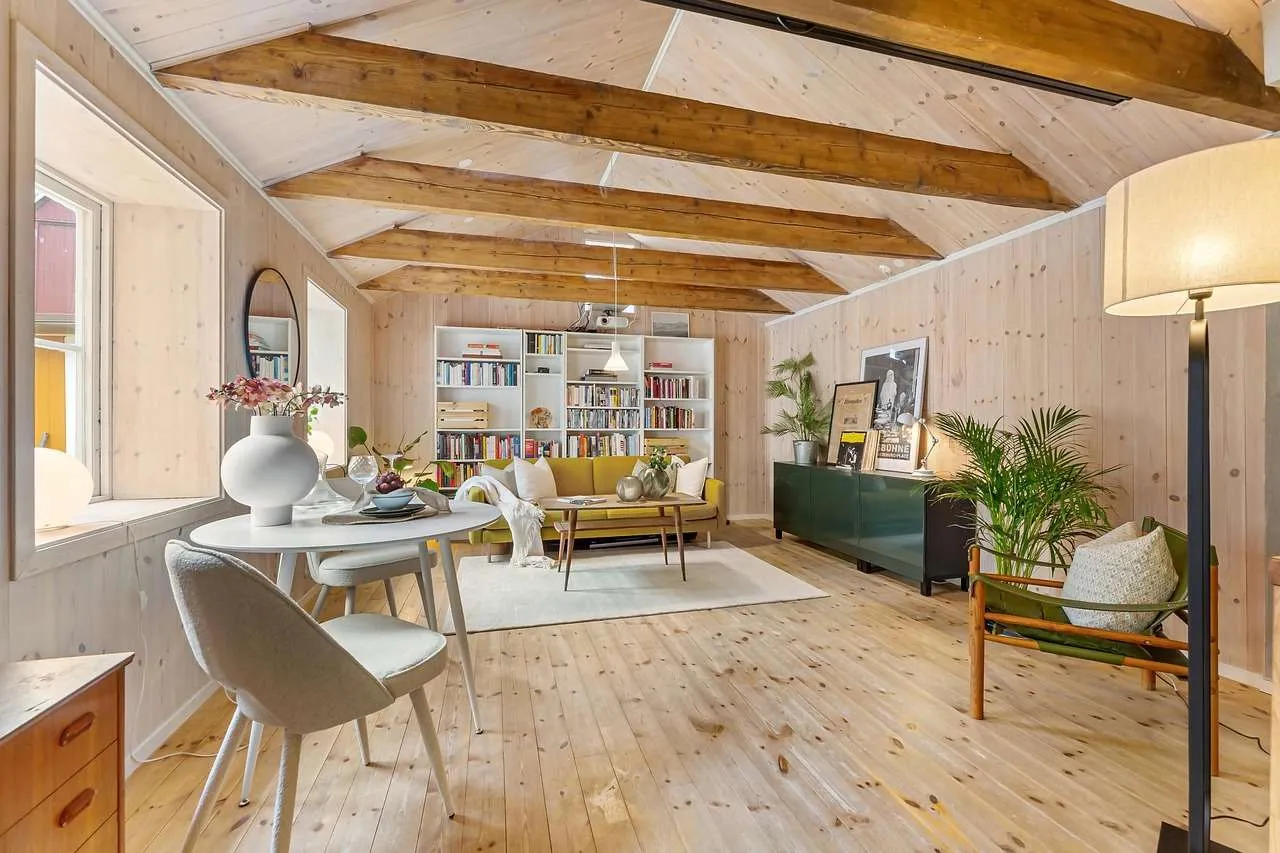
As homeowners seek more comfort and lower energy bills, window tint for home has emerged as a practical upgrade. Quality films block sun damage, reduce heat gain, and improve privacy, while preserving natural light. With the right film and professional installation, you can enjoy energy savings without sacrificing curb appeal.
What is window tint for home?
Window tint for home refers to a thin film applied to interior or exterior glass. It contains multiple layers that reflect, absorb, or filter sunlight. Modern films offer UV protection, glare reduction, and improved insulation.
Types of window tint for home
Dyed window tint
Dyed films are the most affordable option. They add color and reduce glare, but the color can fade over time and they may not offer the strongest heat rejection or UV protection.
Metalized/reflective tint
Metalized films use metal layers to reflect heat. They are effective at reducing heat and glare but can interfere with electronics and reduce clarity if the film appears mirrored from the outside.
Carbon-based tint
Carbon films absorb infrared light, delivering strong heat rejection without creating a mirrored look. They maintain color integrity and scratch resistance and offer good privacy.
Ceramic tint
Ceramic films are premium options with excellent heat rejection, high UV protection, and clear optics. They are non-conductive, so they don’t interfere with electronics and retain visibility.
Hybrid tint
Hybrid films combine layers (eg, dyed plus metallic) to balance cost, heat rejection, and glare control. They are a middle-ground choice.
Benefits of window tint for home
- Heat reduction: Lower cooling loads, more comfortable rooms, and potential energy savings.
- UV protection: Blocks up to 99% of harmful UV rays, protecting furnishings and skin.
- Glare control and privacy: Improves comfort without darkening interiors excessively.
- Condensation and fade protection: Reduces sun-induced fading of carpets and furniture.
- Glass safety and durability: Some films add shatter resistance or hold broken glass together.
Choosing the right tint for your home
Consider VLT (visible light transmission) to balance daylight and privacy. For front-facing windows, many regions have legal limits on darkness, so check local regulations before purchasing. Pair film selection with a reputable installer who offers warranties on both the film and installation. Look for certifications, examples of completed projects, and a clear maintenance guide.
Installation and maintenance
Professional installation ensures proper adhesion, edge sealing, and bubble-free results. Do not attempt DIY on large glass panes, especially with complex shapes. Cleaning should use non-ammonia cleaners and soft cloths to avoid damaging the film. Regular inspection helps detect peeling or bubbling early, allowing timely warranty service.
Comparison of tint types
| Tint Type | Heat Rejection | UV Rejection | Privacy/Clarity | Durability | Cost | Best For |
|---|---|---|---|---|---|---|
| Dyed | Low–Medium | Good | Medium privacy; clear view from inside | Low durability | Low | Budget projects |
| Metalized | High | Excellent | Mirrored effect; varying privacy | Moderate durability | Medium | Heat reduction with glare control |
| Carbon | High | Excellent | Non-mirrored; good privacy | Good durability | Medium–High | |
| Ceramic | Excellent | Excellent | High privacy; clear optics | Very high durability | High | Premium comfort and energy savings |
| Hybrid | Medium–High | Excellent | Balanced privacy | Good durability | Medium | Cost-conscious high-performance option |
Regulations, standards, and EEAT
To build trust, choose licensed installers, ask about warranties, and request before/after energy estimates. Reputable shops provide written guarantees, consumer reviews, and proof of compliance with regional tint laws. For EEAT, rely on experienced professionals with proven credentials, share transparent pricing, and explain the expected return on investment through energy savings and comfort improvements.
Conclusion
Conclusion, window tint for home offers energy savings, improved comfort, and added privacy when selected with care, installed by qualified professionals, and maintained over time. By understanding film types, local rules, and maintenance needs, homeowners can achieve a balanced, long-lasting upgrade.