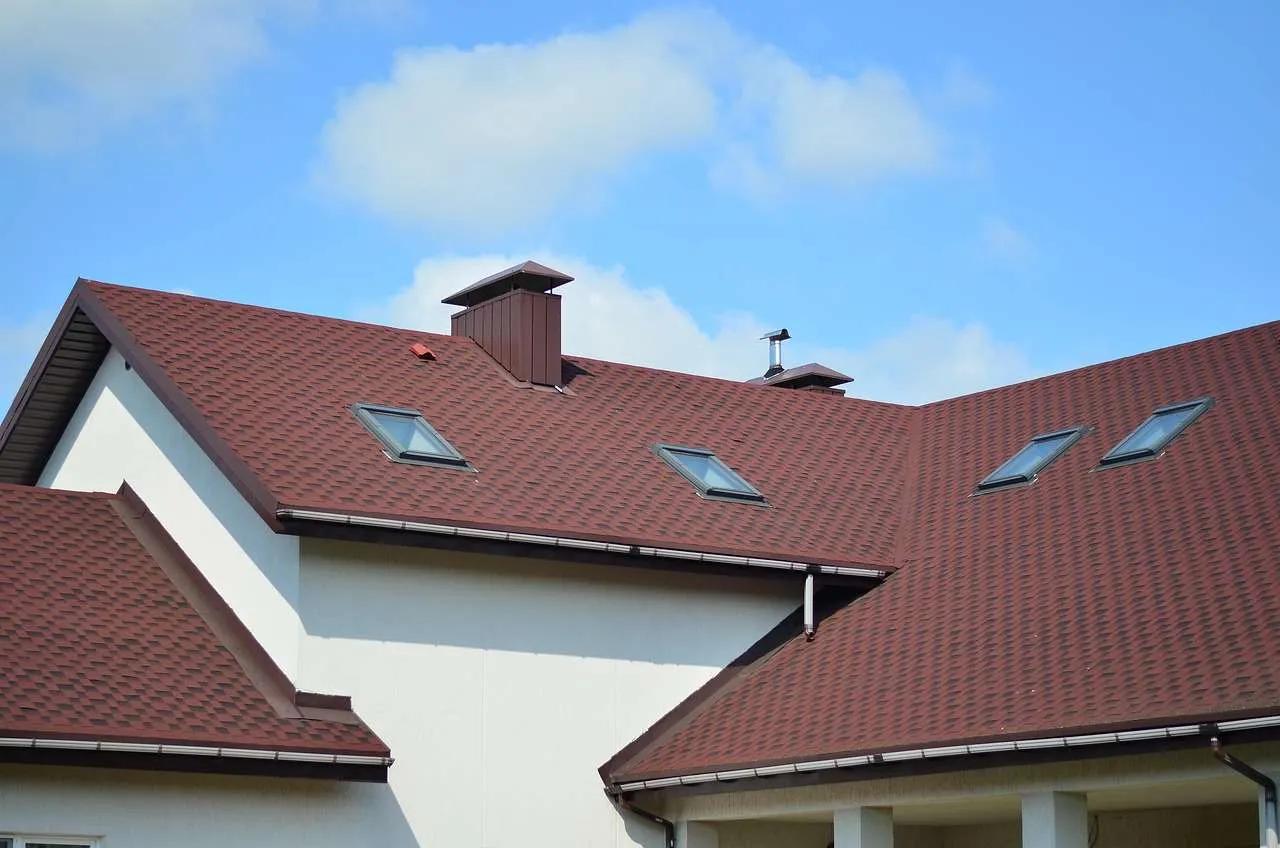
Repair of Roofing: Expert Guide for Homeowners

Roof problems can escalate quickly if left untreated. Repair of roofing is essential to protect your home, maintain energy efficiency, and preserve property value. This guide explains how to spot damage, plan repairs, choose between DIY and professional help, and understand typical costs.
Signs your roof needs repair
Early detection saves money and prevents secondary damage. Look for water stains on ceilings or walls, darker patches after rain, and recurring leaks. On the exterior, check for cracked, curling, or missing shingles, damaged flashing around chimneys and vents, and granule loss in gutter debris.
Visible damage
Inspect the roof surface after storms. Missing shingles, cracked tabs, and loose flashing are common indicators. For flat roofs, ponding water, blisters, or membrane tears signal repair needs.
Hidden issues
Not all problems are obvious. Moisture can hide in sheathing or rafters behind insulation, and a sagging ridge or uneven decking often points to structural concerns that require professional assessment.
How to assess and plan roof repair
Safety first
Work from a stable ladder, wear non-slip shoes, and use fall protection on steep pitches. If you are uncomfortable or weather is unfavorable, hire a pro rather than risk injury.
Documentation and insurance
Take clear photos of all damage, keep receipts, and check your policy for coverage of leaks and storm damage. A written estimate from a licensed roofer helps with claims and future warranties.
Repair methods for common roof types
Shingle roofs
Most repairs involve replacing damaged or missing shingles and resealing seams. Align new shingles, drive fasteners correctly, and ensure proper flashing to prevent future leaks.
Metal roofs
Metal roof repairs may involve replacing panels, tightening or sealing fasteners, and reapplying sealant at seams. Inspect for corrosion and proper edge terminations.
Flat roofs
Flat or low-slope roofs often suffer from membrane wear, blistering, and drainage issues. Patching with compatible membranes, repairing flashing, and improving drainage are common approaches.
DIY vs professional repair
DIY repairs can save money for small leaks or cosmetic fixes, but risks include falls, improper sealing, and voiding manufacturer warranties. A licensed roofer brings safety equipment, training, and guarantees on workmanship, reducing long-term risk.
Costs and maintenance
Repair costs vary with roof type, material, damage extent, and accessibility. Minor shingle repairs may run from 150 to 450, while major repairs can reach into the thousands. Preventive maintenance—clean gutters, trim branches, inspect after storms—extends roof life and lowers long-term costs.
Comparison of DIY vs Professional Repair
| Aspect | DIY Repair | Professional Repair | Typical Cost | Pros | Cons |
|---|---|---|---|---|---|
| Safety | Minimal gear; higher risk | Full safety equipment and training | Low to mid | Low upfront cost; convenience | Higher risk of injury or improper repair |
| Quality and warranty | Variable; often no warranty | Warranty on workmanship | Varies | Reliable results | Higher cost |
| Time | Faster for small tasks | Scheduling and job management | Low to mid | Quicker completion for simple fixes | Possible delays for complex jobs |
| Home value protection | Limited | Better long-term protection | Depends on work | Peace of mind | Higher upfront investment |
When to hire a roofing contractor
Consider a licensed contractor for extensive damage, suspected structural rot, large leaks, or projects near warranties. Verify licenses and insurance, review references, and request a written estimate and warranty.
Summary, this guide covers signs of damage, assessment steps, repair methods for common roof types, safety considerations, a DIY vs professional comparison, costs, and maintenance tips to keep a roof durable and leak-free for years.